Most recent releases

.jpg)
Shop

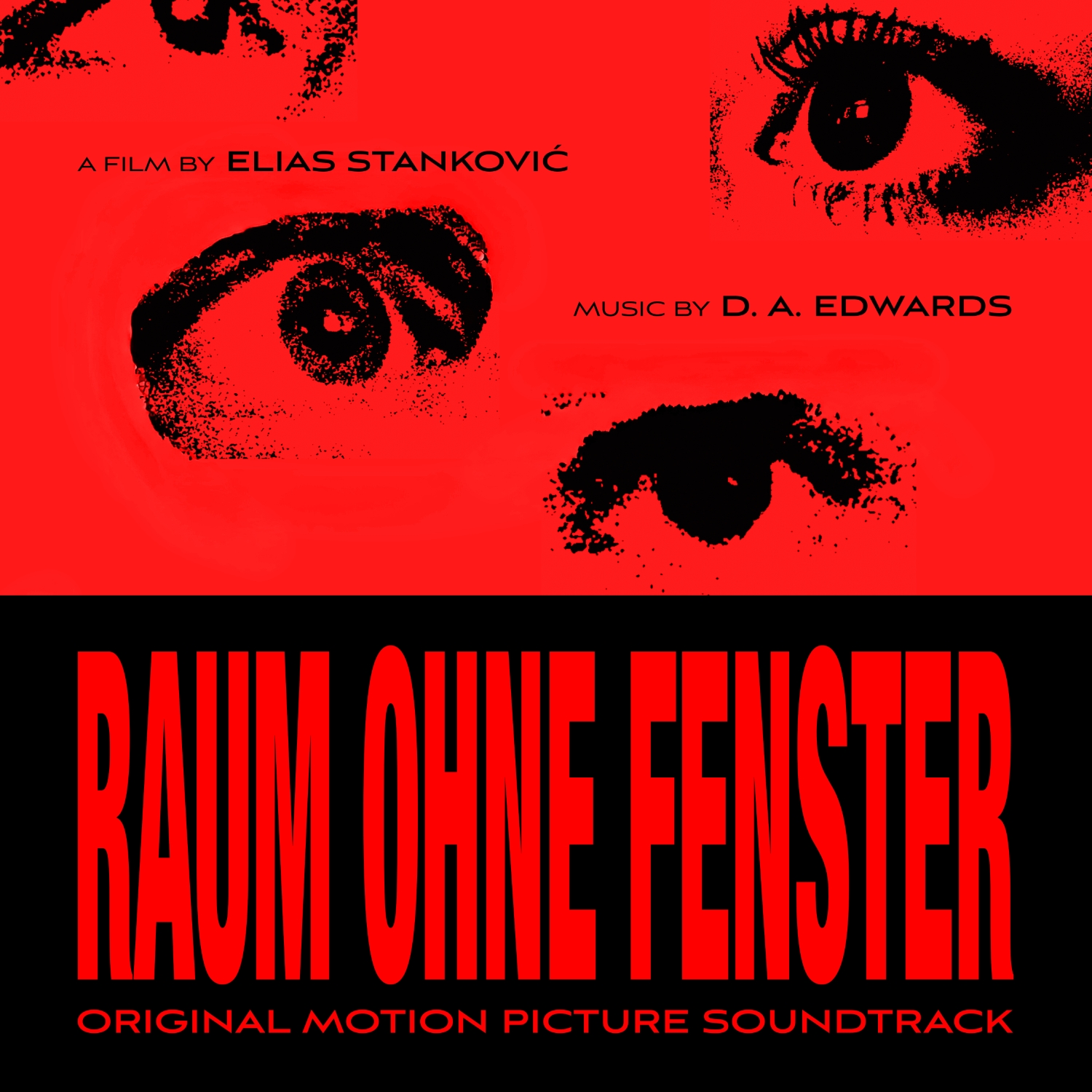
A pitch-black room without windows. The students of class 11A sit in silence. A sense of helplessness fills the air. Some cover their eyes, others stare at the floor, while horrific images flicker across the screen. Amira runs out of the room. Her best friend runs after her, but she can’t find Amira.
The original score for this film is both unsettling and, at times...
strikingly beautiful. The music shifts between delicate passages and sections that leave a lingering, eerie feeling. D. A. Edwards, involved not only in composition and sound, but also throughout production and editing, approached the score with a clear sense of its intended tone even before filming began. This early vision allowed the music and the film to develop in a close dialogue, each influencing the other.
The music moves fluidly between harmony and dissonance, adapting to the emotional demands of each scene. It frequently incorporates micro tonality, experimental textures, and unconventional instrumentation, yet still carries an echo of traditional film scoring. Edwards often adheres to the principle that a score should remain performable by a live orchestra, a guideline that also shaped the composition of “Raum ohne Fenster”.
The result is a score that is at times thrilling, at times unsettling, and consistently bold.
.jpg)